

Architectural Designing
Architectural designing is the art and science of planning, designing, and constructing buildings or structures that are functional, aesthetic, and environmentally responsible. It combines creativity with technical knowledge to create spaces that meet specific requirements while addressing cultural, social, and environmental factors.
Key Aspects of Architectural Designing
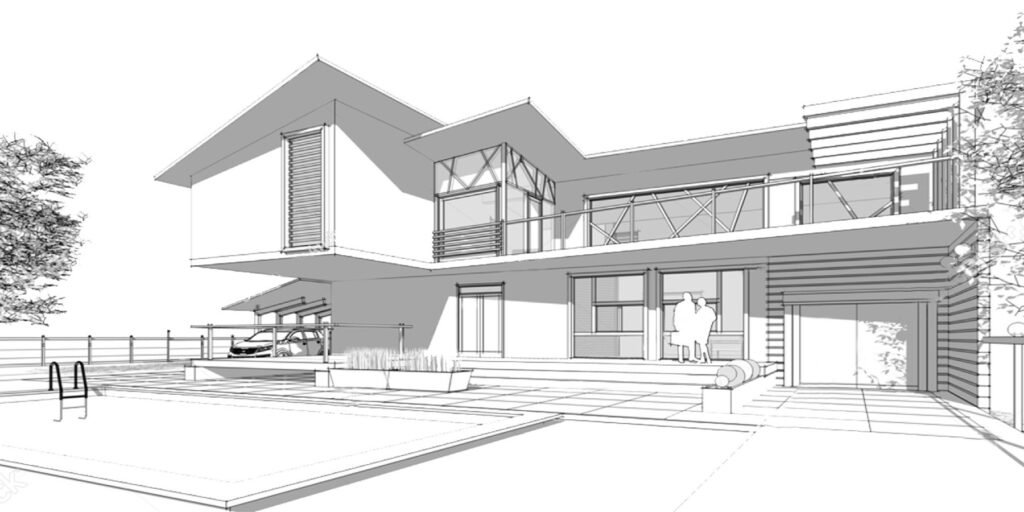
Principles of Architectural Design
- Functionality:
- The design must serve its intended purpose efficiently.
- Spaces should be designed based on user behavior and requirements.
- Balance:
- Visual harmony between design elements like colors, materials, and proportions.
- Symmetry or asymmetry can be used depending on the style.
- Proportion and Scale:
- Ensuring the relationship between different parts of the structure is cohesive.
- Respecting human dimensions and ergonomics.
- Unity:
- Consistency in design elements to provide a sense of completeness.
- Using patterns, themes, or materials cohesively.
- Sustainability:
- Energy efficiency, renewable materials, and reducing carbon footprints.
- Adapting to the local climate to enhance natural energy use.
- Contextuality:
- Integrating the design within the cultural and physical context of the site.
- Respecting heritage, landscape, and community needs.
- Innovation:
- Using cutting-edge technologies and materials to push design boundaries.
- Experimenting with unconventional forms or construction methods.
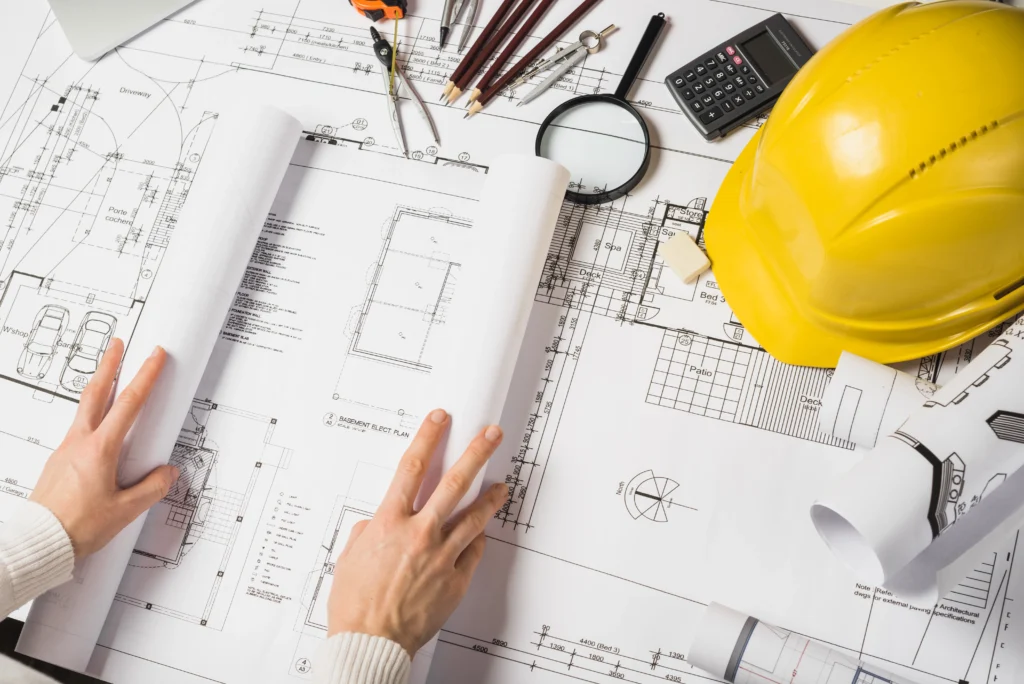
Architectural Design Process
- Pre-Design Phase:
- Understanding client goals, budget, and timeline.
- Conducting feasibility studies, including site analysis and regulatory constraints.
- Schematic Design:
- Developing basic design concepts, rough sketches, and layouts.
- Reviewing options with clients to align with their vision.
- Design Development:
- Refining designs with detailed plans and elevations.
- Selecting materials, finishes, and structural systems.
- Construction Documentation:
- Producing detailed drawings, specifications, and schedules for contractors.
- Ensuring compliance with building codes and safety standards.
- Construction Phase:
- Collaborating with contractors and engineers to bring the design to life.
- Supervising construction progress and quality assurance.
- Post-Construction:
- Evaluating the building’s performance and functionality.
- Addressing any maintenance or adjustments.
Trends in Architectural Design
- Sustainable Architecture:
- Passive design strategies like natural ventilation and daylighting.
- Green roofs, solar panels, and rainwater harvesting.
- Parametric Design:
- Using algorithms to create complex, non-linear designs.
- Tools like Rhino and Grasshopper enable innovative geometries.
- Smart Buildings:
- IoT integration for energy management, security, and user comfort.
- Sensors for adaptive lighting, HVAC, and smart monitoring systems.
- Biophilic Design:
- Incorporating natural elements like greenery, water, and organic patterns.
- Enhancing mental and physical well-being through nature-inspired designs.
- Adaptive Reuse:
- Converting old structures into modern spaces while preserving heritage.
- Examples include turning factories into offices or homes.
- Modular and Prefabricated Design:
- Building components off-site for faster, cost-efficient construction.
- Ideal for housing projects, disaster relief, and remote areas.
- Minimalism:
- Clean lines, open spaces, and a focus on functionality.
- “Less is more” philosophy to create uncluttered designs.
Tools and Technologies in Architectural Design
- Design Software:
- AutoCAD: For precise 2D drafting and technical documentation.
- Revit: For Building Information Modeling (BIM) to manage all phases of the building lifecycle.
- SketchUp: Intuitive 3D modeling for quick conceptual designs.
- Visualization Tools:
- Lumion and V-Ray: High-quality renderings for realistic imagery.
- Enscape: Real-time walkthroughs for immersive client presentations.
- 3D Printing:
- Producing physical prototypes of building models for better visualization.
- Virtual Reality (VR):
- Immersive experiences allowing clients to explore designs before construction.
- Drones:
- Aiding site analysis, aerial photography, and construction monitoring.
- AI in Design:
- Automating repetitive tasks like layout optimization.
- Predicting environmental impacts and resource efficiency.
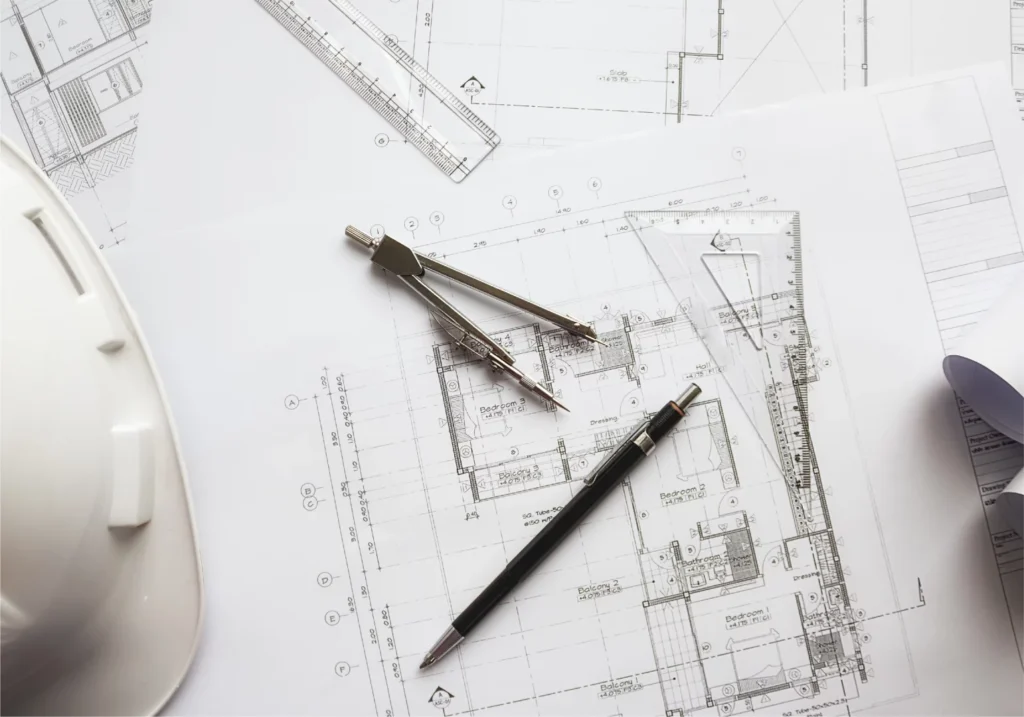
Famous Architectural Styles
- Modern Architecture:
- Clean lines, open floor plans, and large glass surfaces.
- Focus on simplicity and functionality (e.g., Bauhaus style).
- Postmodern Architecture:
- Playful forms, vibrant colors, and eclectic elements.
- Breaks away from modernism’s rigidity.
- Gothic Architecture:
- Pointed arches, ribbed vaults, and flying buttresses.
- Emphasizes height and ornate detailing.
- Brutalism:
- Bold, raw concrete structures with minimal decoration.
- Popular for institutional and civic buildings.
- Neo-Classical Architecture:
- Inspired by ancient Greek and Roman styles.
- Features columns, symmetry, and elaborate detailing.
- Sustainable Vernacular:
- Using local materials and traditional techniques.
- Designs tailored to specific climates and cultures.
Would you like more information about specific tools, trends, or styles? Or do you need help designing something particular?